

Introduction: Why Fabric Choice Is Now a Business Decision

You are no longer just choosing fabrics. You are making a business decision that affects cost, brand image, and long-term growth. Buyers today face pressure from both customers and markets. People want products that look good and feel good, but they also want to know how they are made.
Here’s the truth.
Traditional fabrics often come with hidden costs. Water waste. Chemical pollution. Short product life cycles. These issues are no longer ignored. Retailers and distributors now ask more questions before placing orders.
That’s where sustainable fabrics come in.
They help reduce environmental impact. They improve brand trust. And in many cases, they create better long-term value.
But here’s the challenge.
Not all “eco” fabrics are truly sustainable. And not all options fit every product line.
So what should buyers really focus on?
Let’s break it down step by step.
What Are Sustainable Fabrics and Why Do They Matter?

Sustainable fabrics are materials made with lower environmental impact. They use fewer resources. They reduce waste. And they often support safer working conditions.
Simple idea, right?
But there’s more to it.
Traditional fabrics like conventional cotton require heavy water use and chemicals. Polyester relies on fossil fuels. These processes create long-term damage.
Now compare that to sustainable options:
- Organic cotton avoids harmful pesticides
- Recycled polyester reduces plastic waste
- Lyocell uses closed-loop production systems
Here’s why this matters for buyers:
- You reduce supply chain risks
- You align with global regulations
- You meet growing customer expectations
And one more thing…
Sustainability is no longer a “nice-to-have.”
It is becoming a requirement in many markets.
Key Types of Sustainable Fabrics Buyers Should Know

Let’s get practical.
Here are the main fabric categories you will deal with.
Natural Options
- Organic Cotton: Soft, breathable, widely accepted
- Hemp: Strong, durable, low water use
- Linen: Lightweight and naturally biodegradable
These are easy to market. Customers understand them.
Regenerated Fibers
- Lyocell (TENCEL™): Smooth, eco-friendly process
- Modal: Soft and lightweight
- Viscose (when responsibly sourced)
These offer better drape and comfort.
Recycled Materials
- rPET (Recycled Polyester)
- Recycled Nylon
These help reduce plastic waste and are widely used in activewear.
Here’s the key takeaway:
Each fabric serves a different purpose.
There is no “one-size-fits-all” solution.
Organic vs Recycled Fabrics: What’s the Difference?

This is where many buyers get confused.
Let’s simplify it.
Organic Fabrics
Made from natural sources.
Focus: reducing chemical use and improving soil health.
Recycled Fabrics
Made from waste materials.
Focus: reducing landfill and reusing resources.
So which is better?
It depends.
| Factor | Organic Fabrics | Recycled Fabrics |
|---|---|---|
| Source | Natural | Waste materials |
| Strength | Medium | High |
| Sustainability Focus | Farming impact | Waste reduction |
| Best Use | Casual wear | Sportswear |
Here’s the insight:
- Choose organic for comfort and natural branding
- Choose recycled for durability and performance
Certifications That Actually Matter in Sustainable Apparel
Not all claims are real.
You need proof.
Key certifications to know:
- GOTS: Organic textile standard
- OEKO-TEX: Safety and chemical testing
- GRS: Recycled content verification
Why this matters:
- Helps you avoid supplier risks
- Builds trust with buyers
- Supports export compliance
Quick tip:
Always ask for documentation.
Not just a logo.
How Sustainable Fabrics Impact Product Cost and Pricing
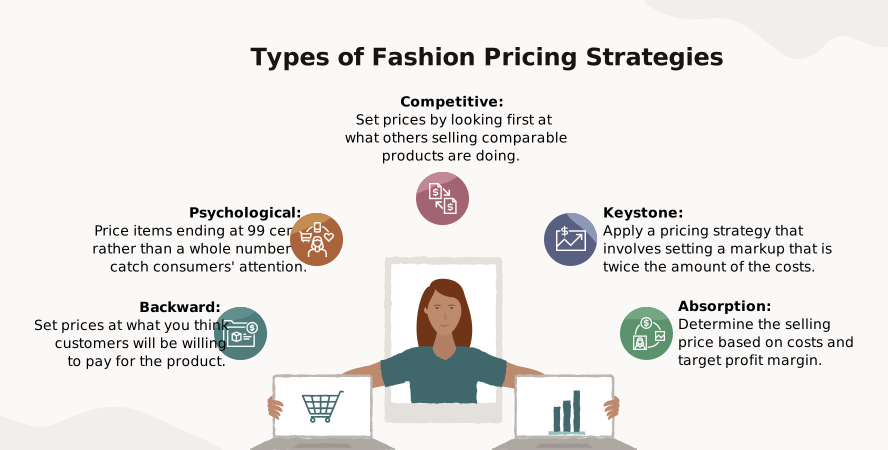
Let’s talk about money.
Yes, sustainable fabrics often cost more upfront.
Why?
- Smaller supply chains
- Higher raw material costs
- Certification expenses
But here’s what many buyers miss:
Lower long-term cost.
How?
- Fewer returns due to quality
- Better brand positioning
- Higher perceived value
Performance vs Sustainability: Do You Have to Choose?
Short answer: No.
Modern fabrics combine both.
Examples:
- Recycled polyester offers strength and stretch
- Lyocell provides softness and breathability
So instead of choosing one…
You match fabric to product use.
Supply Chain Considerations for Sustainable Fabric Sourcing

This is where many deals fail.
You need more than just fabric.
You need a reliable system.
Key points:
- Stable suppliers
- Clear lead times
- Transparent sourcing
For example, manufacturers like Sierra Design Clothing provide integrated services from fabric sourcing to production, helping buyers reduce risk and simplify operations.
How Sustainable Fabrics Influence Consumer Buying Behavior

Customers are changing.
They ask questions like:
- Where is this made?
- What material is used?
- Is it eco-friendly?
And here’s the impact:
- Sustainable products sell faster
- Brands gain trust
- Repeat purchases increase
Common Mistakes Buyers Make When Choosing Sustainable Fabrics
Let’s avoid costly errors.
Common mistakes:
- Choosing based on price only
- Ignoring performance needs
- Trusting unverified claims
Fix this by:
- Testing samples
- Checking certifications
- Matching fabric to product use
How to Choose the Right Sustainable Fabric for Your Product Line
Here’s a simple framework:
- Define your product
- Identify performance needs
- Choose fabric type
- Test samples
- Confirm supplier
That’s it.
Keep it simple.
Future Trends in Sustainable Fabrics for Apparel Buyers
- Bio-based materials
- Closed-loop recycling
- Smart textiles
Buyers who adapt early gain advantage.
Final Thoughts: Making Smarter Fabric Choices for Long-Term Growth

Here’s the bottom line.
Sustainable fabrics are not just a trend.
They are part of the future of apparel.
If you choose wisely:
- You reduce risk
- You improve margins
- You build stronger brands
And most importantly…
You stay competitive in a changing market
FAQ
1. What is the most sustainable fabric for clothing?
There is no single best option. Organic cotton, hemp, and recycled polyester are widely used, but the right choice depends on product type, durability needs, and supply chain transparency.
2. Is recycled polyester really sustainable?
Recycled polyester reduces plastic waste and lowers resource use compared to virgin polyester. However, it still sheds microplastics, so it should be used with proper product design considerations.
3. Are sustainable fabrics more expensive?
Yes, upfront costs are usually higher due to sourcing and certification. But they often provide better long-term value through durability, brand positioning, and reduced returns.
4. How can I tell if a fabric is truly sustainable?
Check for certifications like GOTS, OEKO-TEX, or GRS. Always request official documents and supplier transparency instead of relying on marketing claims or labels alone.
5. What is the difference between eco-friendly and sustainable fabrics?
Eco-friendly focuses on reducing environmental harm, while sustainable includes long-term impact, resource use, and social responsibility across the entire production lifecycle.
6. Which sustainable fabrics are best for activewear?
Recycled polyester and recycled nylon are popular for activewear. They offer strength, stretch, and moisture control while reducing environmental impact compared to virgin synthetic fibers.
7. Do consumers really care about sustainable clothing?
Yes, demand is growing quickly. Many consumers prefer brands that offer transparency and responsible sourcing, which can influence purchasing decisions and increase brand loyalty.
8. Can small brands afford to use sustainable fabrics?
Yes, by starting with low-MOQ suppliers or blending sustainable materials. Many manufacturers now offer flexible options to help smaller brands enter the sustainable apparel market.
